
Academic Programs
Opportunities and joint research collaborations
ACADEMIC Program
Microsoft Research AI & Society Fellows
Aims to catalyze research collaboration between Microsoft Research and eminent scholars and experts across a range of disciplines core to discussions at the intersection of AI and its impact on society.


Accelerating Foundation Models Research
Through this program, we hope to re-imagine AI learning and research using foundation models, while also exploring new use cases that can complement human ingenuity through diversified research expertise.

AI, Cognition, and the Economy (AICE)
AICE establishes a global research network dedicated to cultivating an interdisciplinary research community. This collective will delve into the profound impact of Generative AI (GAI) on human cognition, work dynamics, and economic growth. A number of these projects are part…
The New Future of Work
This cross-company initiative is dedicated to creating solutions for a future of work that is meaningful, productive, and equitable. The focus has shifted from remote to hybrid to the role of artificial intelligence in changing work practices.
Opportunities and resources

Events and conferences
Events and conferences provide opportunities to meet our community of researchers, learn about exciting research topics, and grow your network.
Academic fellowships, grants, and competitions
Microsoft recognizes the value of diversity in computing and aims to increase the pipeline of talent receiving advanced degrees in computing-related fields.

Careers in research
Join a brilliant team of researchers working to solve technology’s most exciting challenges. Come as you are. Do what you love. Opportunities abound.
Research tools
We maintain an index of datasets, models, SDKs, APIs, and other open-source code created by Microsoft researchers and shared with the broader academic community.
Featured research collaborations
Microsoft collaborates with the global research community through programs, events, learning opportunities, and joint research endeavors.

AI, Cognition, and the Economy (AICE)
AICE establishes a global research network dedicated to cultivating an interdisciplinary research community. This collective will delve into the profound impact of Generative AI (GAI) on human cognition, work dynamics, and economic growth. A number of these projects are part…

Accelerating Foundation Models Research
Through this program, we hope to re-imagine AI learning and research using foundation models, while also exploring new use cases that can complement human ingenuity through diversified research expertise.
Center for Societal impact through Cloud and Artificial Intelligence (SCAI)
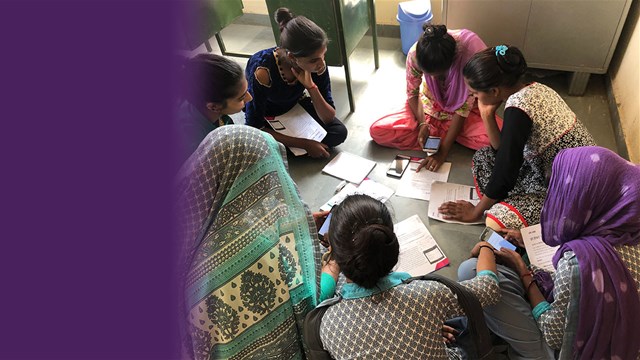
MSR India's Center for Societal impact through Cloud and Artificial Intelligence (SCAI) focuses on creating, nurturing and deploying technologies that will have large scale impact on society.

Microsoft Climate Research Initiative
The Microsoft Climate Research Initiative (MCRI) is a community of multi-disciplinary researchers working together to fight climate change.

Plural Technology Collaboratory
The Plural Technology Collaboratory is a Microsoft Research Special Project dedicated to advancing Plural Technologies (PTs), ones that support social diversity and empower collaboration across it. The PTC is a relaunch of the previous Decentralized Social Technology Collaboratory motivated by the…

Studies in Pandemic Preparedness
These collaborative projects with academia span topics including infection prevention and control, treatment and diagnostics, allocation of resources, mental health implications and return to work.
EVENT SERIES
Microsoft Research Forum
Join us for a continuous exchange of ideas about research in the era of general AI. Watch Episode 1 & 2 on-demand.