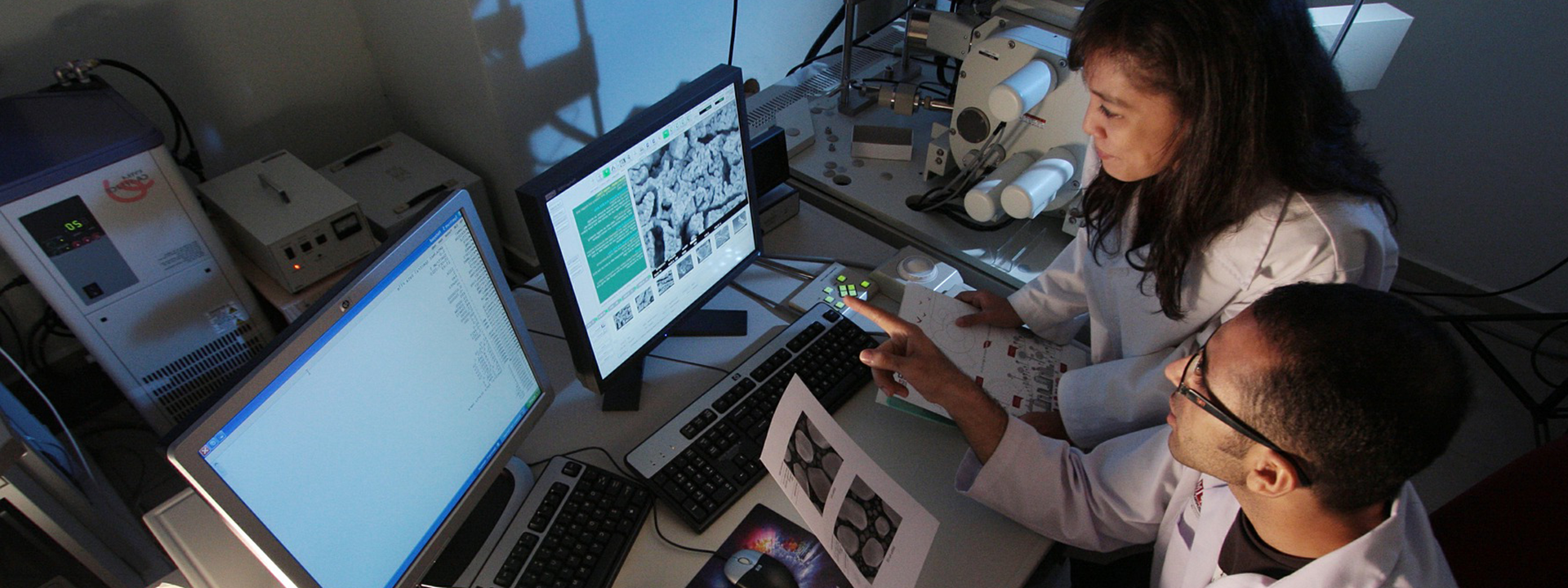
Academic research
Researchers around the world are using Microsoft Azure to accelerate their research. Microsoft Azure provides an open, flexible, global platform that supports multiple programming languages, tools, and frameworks allowing researchers to achieve faster results using the cloud.
Research opportunities
Microsoft provides technology, resources, and expertise to empower researchers advancing essential knowledge.

NIH STRIDES initiative
NIH-funded researchers can access special discounts on Microsoft Azure services to accelerate their research.

National Science Foundation (NSF) CloudBank
CloudBank provides access to Microsoft Azure for computer science research and education.

Microsoft Research fellowships
Microsoft Research offers fellowships and collaborative research opportunities across a variety of disciplines.
Get support for your research projects
Accelerate your research with Azure Research credits, cloud training, and resources from Microsoft Azure.

Create a proof of concept, migrate existing research workloads and datasets to the cloud, or build tools to facilitate research with free Azure Research Credits.

Learn how to manage research workloads in the cloud with free, on-demand training tailored for researchers and research technology professionals.

Connect with distinguished researchers, research IT professionals, and Microsoft technologists using Azure to accelerate research and discovery.
Accelerate research with AI and cloud computing
Bring your favorite open-source tools to the cloud and leverage Microsoft Azure’s AI, HPC, and discipline-specific tools to arrive at new insights faster.
Duke University and Microsoft AI for Health join forces to create unique COVID-19 ventilator
Learn how tech and science professionals from Duke University and Microsoft AI for Health raced against the clock to win approval for emergency use of a unique ventilator to help COVID-19 patients, just as hospitals faced shortages.
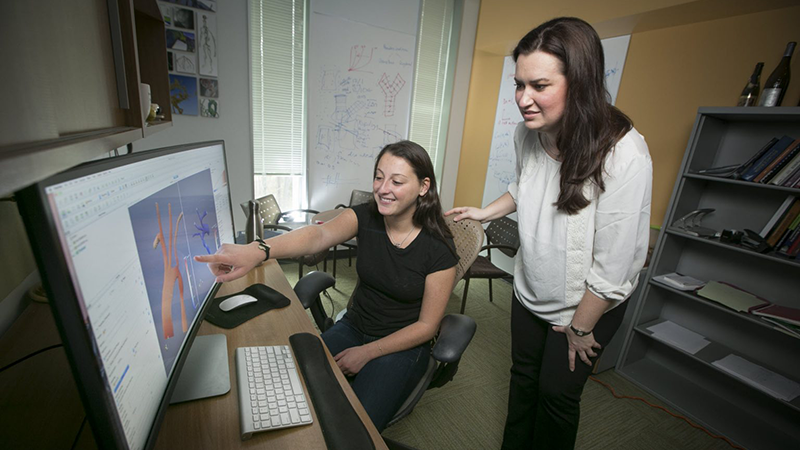
Explore insights, visualizations, and data sources
Securely share data with collaborators, access valuable open datasets, and unify data from disparate sources—all within Microsoft Azure.
Streamline security and compliance with a cloud-based research system
Learn how Kansas State University and Microsoft developed the Research Information Security Enclave (RISE) to secure cloud resources with a familiar desktop interface—and how your academic research program can realize the benefits of streamlined security and compliance.

ANU pioneers next-generation genome research by moving to the cloud
At Australian National University (ANU) researchers at the John Curtin School of Medical Research use Microsoft Azure to conduct studies using genome-scale data. This groundbreaking work has shown how cloud computing can be harnessed to tackle genome analysis, simulations, and visualizations, potentially opening the door for widespread clinical application.
Share resources, workloads, and expertise
Collaborative research and data sharing can act as a catalyst for breakthrough research. Seamlessly share access to templates, datasets, containers, and spreadsheets in a unified hub with Azure and Teams.
Archeologists use Azure-powered Internet of Things (IoT) to save ancient Roman site
A team of engineers at the Politecnico di Milano University has leveraged the harnessing power of Azure to build a simplified IoT system for archeologists who were struggling to access an underground site in Rome. The workers were able to monitor the site remotely and determine how environmental factors were affecting the sculptures.
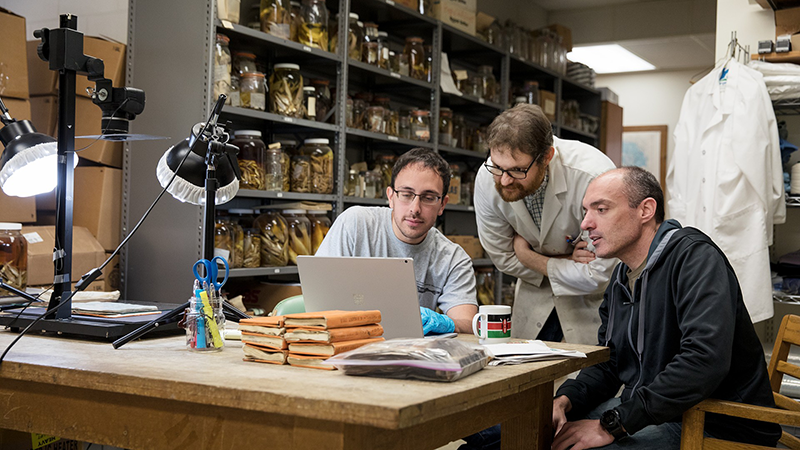
Safeguard research data in a secure cloud environment
University of Pittsburgh innovates in biomedical research by securing data in the cloud
Researchers in the University of Pittsburgh’s Department of Biomedical Informatics turned to Microsoft Azure to deploy a secure research enclave. Now they can collaborate with researchers from multiple outside institutions while protecting sensitive biomedical data as they develop treatments for patients in need.


Collaborate with a global research community
Join a community that will open the door to peer-to-peer collaboration, lead to accelerated growth and lets you explore new ideas, giving you faster time-to-insights and discovery.
Resources for Academic Research

Explore how Azure helps research teams advance discovery.